
Category: Medicines - Page 3
Stability Testing Requirements: Temperature and Time Conditions for Pharmaceutical Products
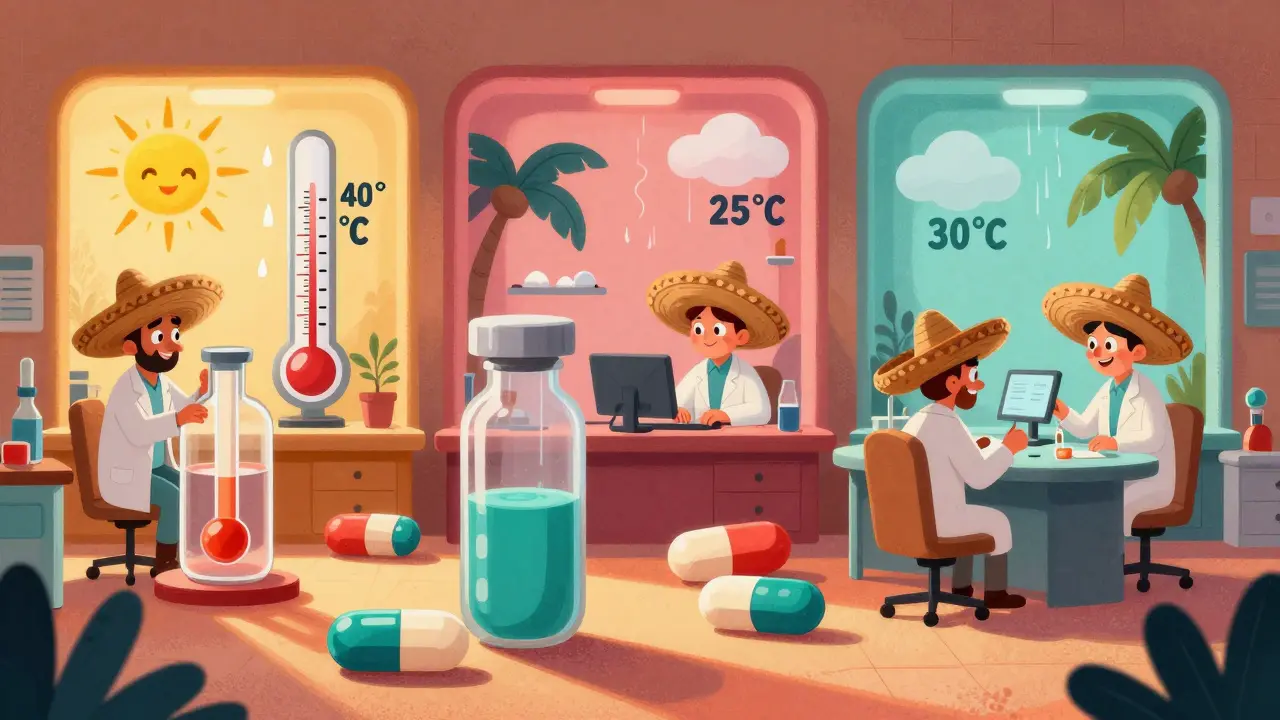
Stability testing for pharmaceuticals requires strict temperature and time conditions to ensure drug safety and efficacy. Learn the ICH Q1A(R2) standards for long-term, accelerated, and refrigerated testing, and what happens when they’re not followed.
- Jan 7, 2026
- Guy Boertje
- 11
Antiemetics and Parkinson’s Medications: Avoiding Dangerous Dopamine Interactions
Many anti-nausea drugs worsen Parkinson’s symptoms by blocking dopamine. Learn which ones to avoid, which are safe, and how to protect yourself from dangerous interactions.
- Jan 6, 2026
- Guy Boertje
- 12
Osteoporosis Medications: Bisphosphonates and Jaw Necrosis Risks
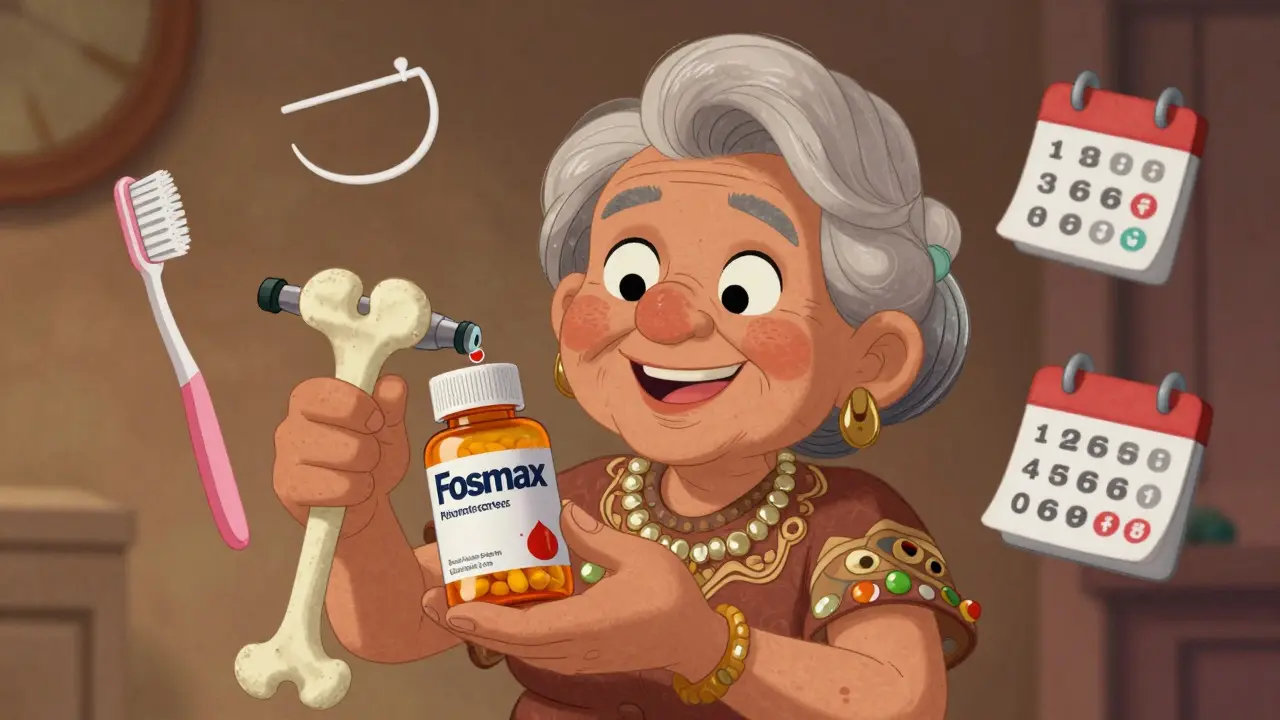
Bisphosphonates for osteoporosis reduce fracture risk by up to 70%, but carry a rare risk of jaw bone death (MRONJ). Learn the real odds, who's at risk, and how to stay safe without skipping treatment.
- Jan 4, 2026
- Guy Boertje
- 12
How to Report Adverse Events to the FDA for Medications: A Step-by-Step Guide
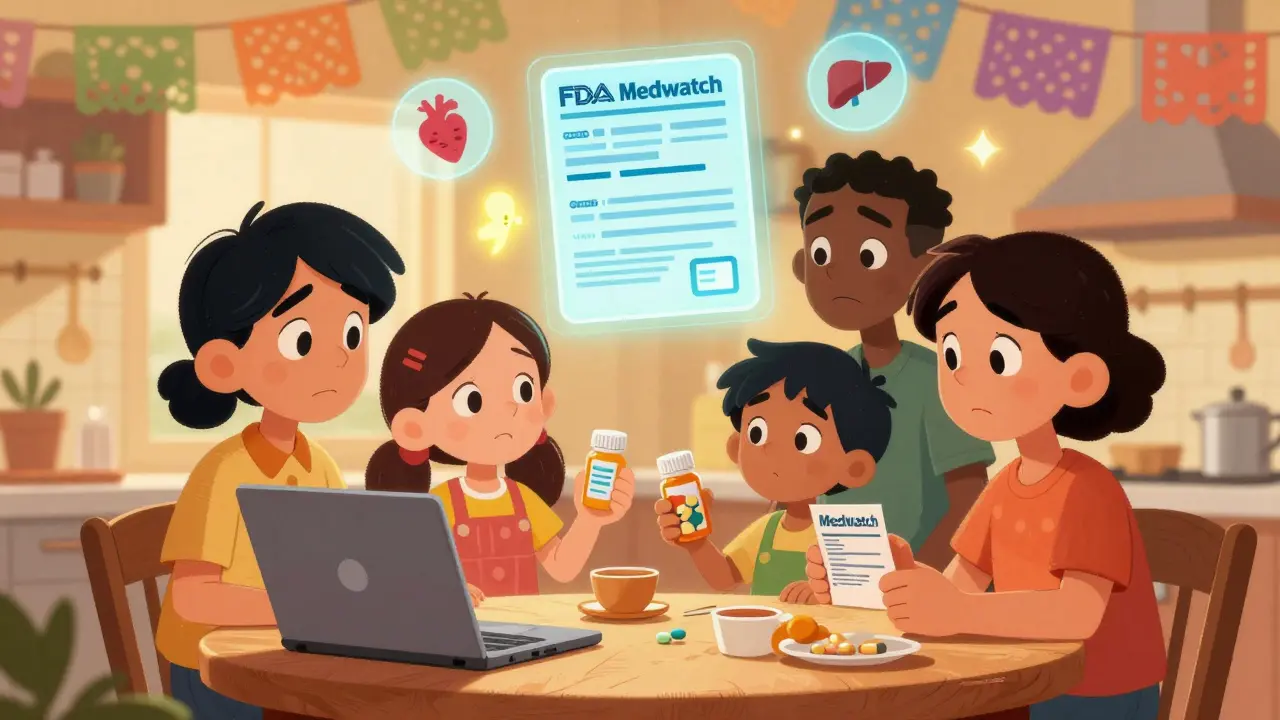
Learn how to report medication side effects to the FDA using MedWatch. Step-by-step guide for patients, families, and healthcare providers to help improve drug safety.
- Dec 31, 2025
- Connor Back
- 15
Meglitinides and Hypoglycemia: Why Skipping Meals Is Dangerous with These Diabetes Drugs
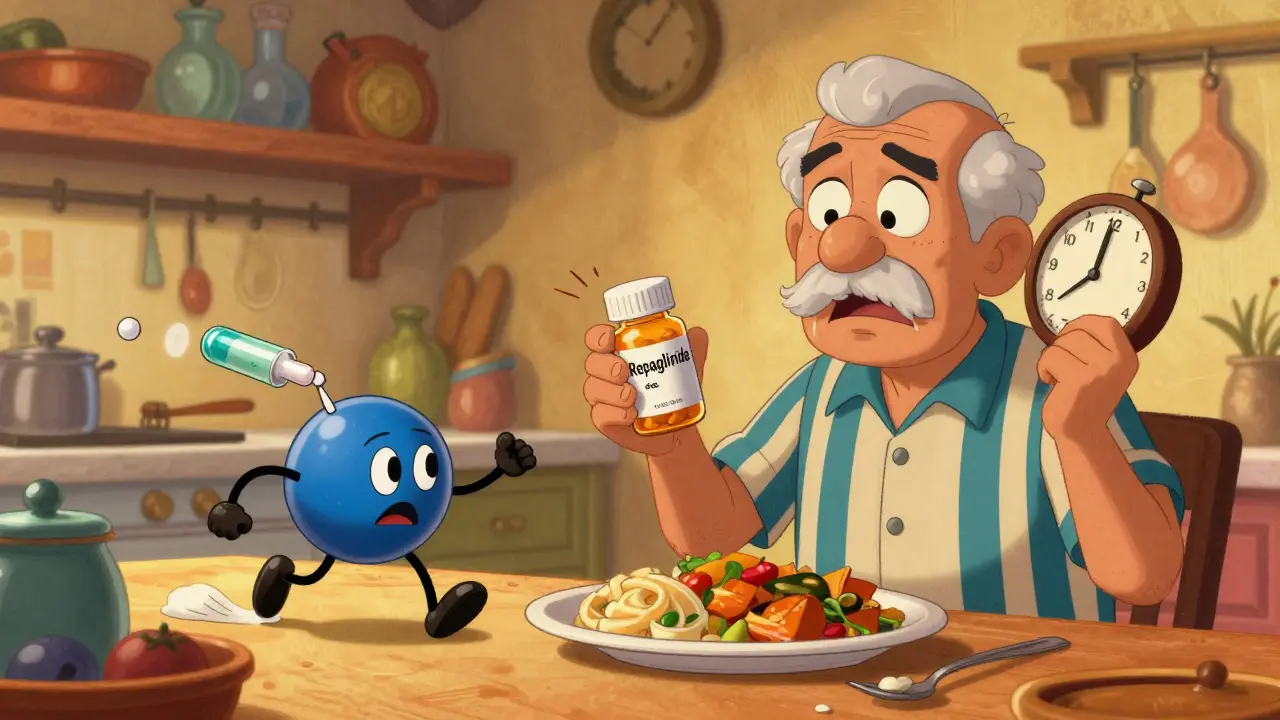
Meglitinides help control post-meal blood sugar but carry a high risk of hypoglycemia if meals are skipped. Learn how repaglinide and nateglinide work, who should use them, and how to stay safe with irregular eating habits.
- Dec 30, 2025
- Connor Back
- 9
Proton Pump Inhibitors with Antiplatelets: How to Reduce GI Bleed Risk Without Compromising Heart Protection
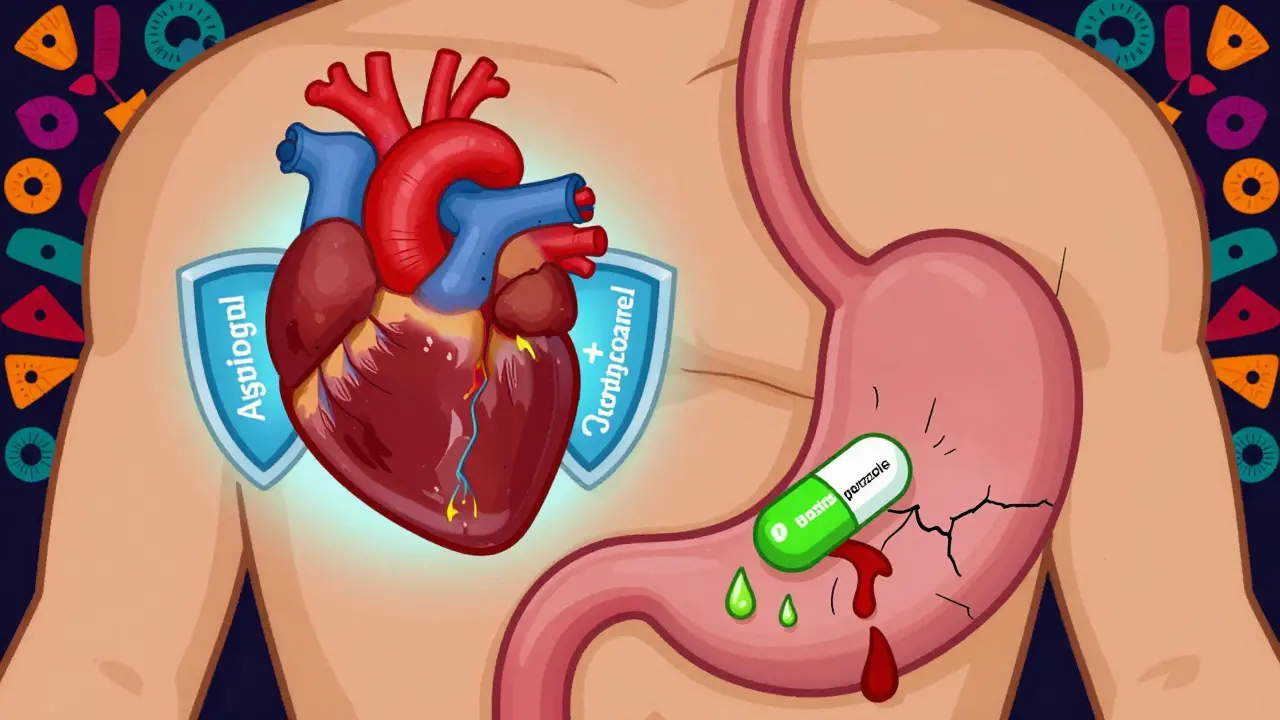
Proton pump inhibitors reduce GI bleeding risk in patients on dual antiplatelet therapy, but not all PPIs are safe with clopidogrel. Learn which ones to use, when to start, and how long to take them.
- Dec 26, 2025
- Connor Back
- 10
The Science of Medication Safety: Understanding Risk, Benefit, and Real-World Evidence

Understanding how medication safety science works - from clinical trials to real-world data - helps patients and providers make smarter, safer choices. Learn how risk, benefit, and evidence come together to protect lives.
- Dec 25, 2025
- Guy Boertje
- 12
Tuberculosis Medications: Rifampin Induction and Multiple Drug Interactions
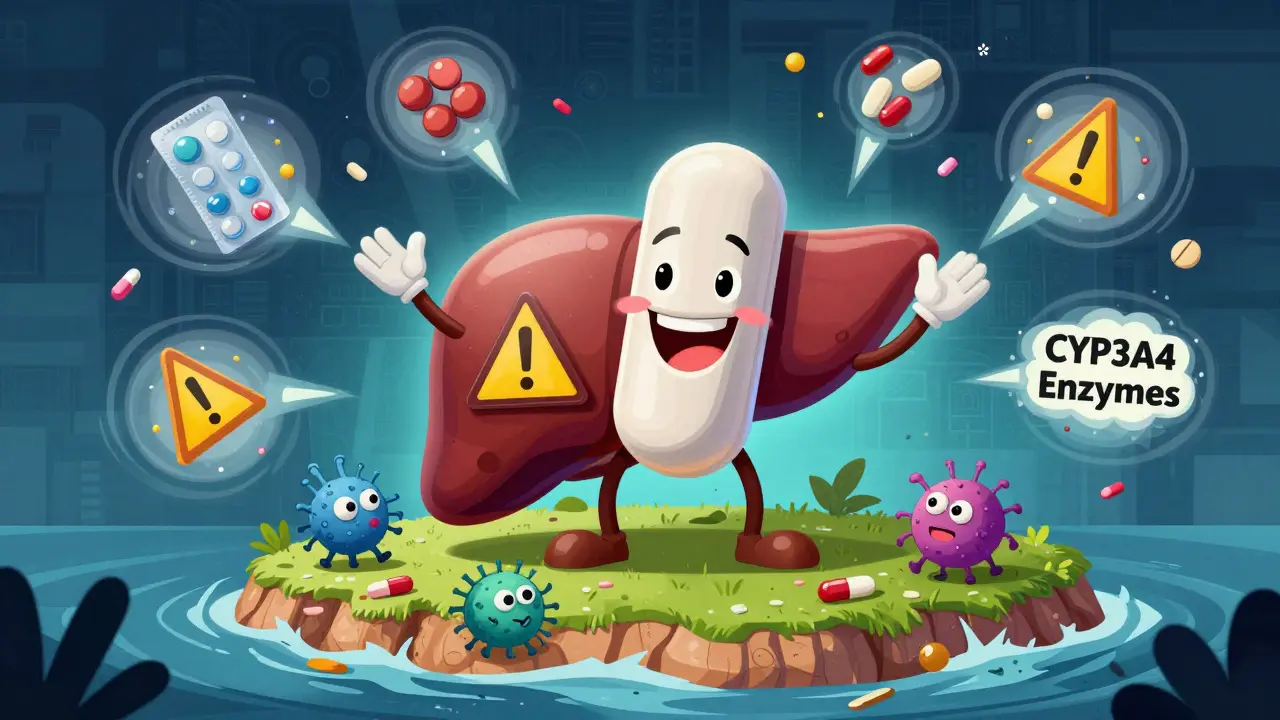
Rifampin is essential for treating tuberculosis but causes dangerous drug interactions by boosting liver enzymes that break down other medications. Learn how it affects birth control, blood thinners, HIV drugs, and why treatment must last six months.
- Dec 22, 2025
- Connor Back
- 12
How to Prepare for Pediatric Procedures with Pre-Op Medications: A Practical Guide for Parents
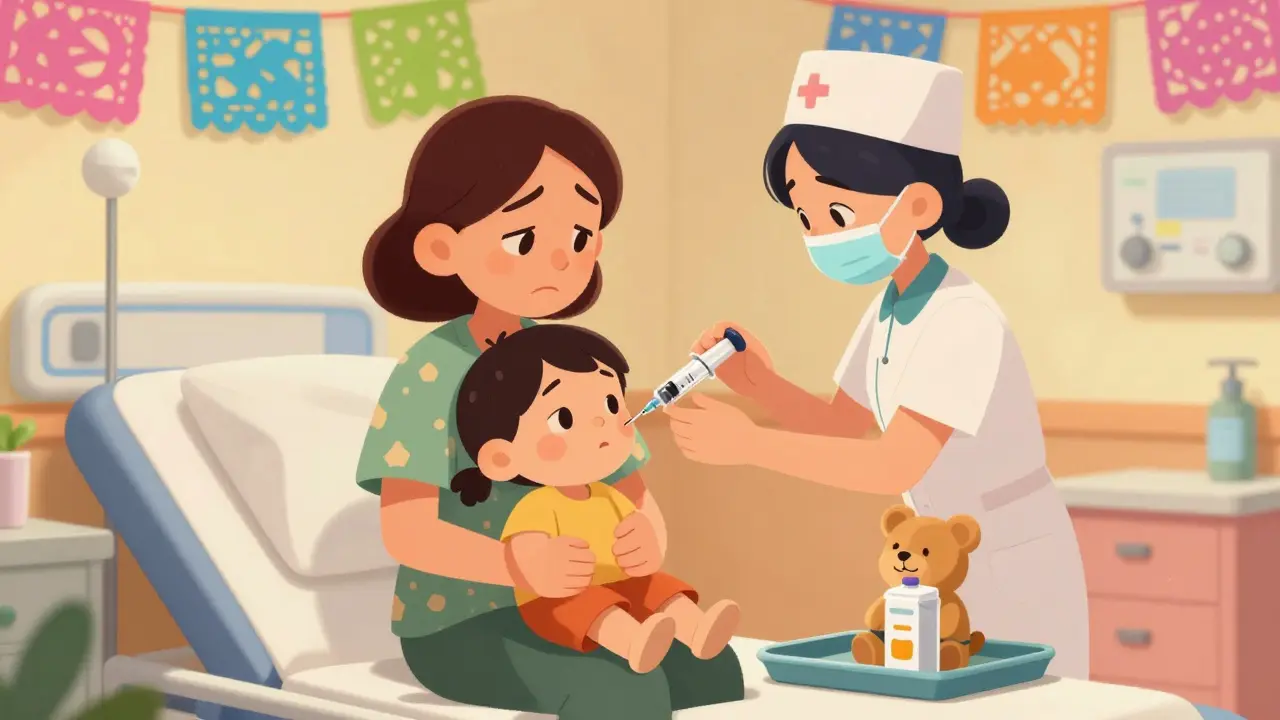
Learn how to safely prepare your child for surgery or procedures using pre-op medications. Get clear guidelines on fasting, sedatives like midazolam and ketamine, special cases like asthma and epilepsy, and what to do before and after.
- Dec 19, 2025
- Guy Boertje
- 10
Boxed Warning Changes: How FDA Drug Label Updates Are Tracked Over Time
Boxed warnings are the FDA's strongest safety alerts for prescription drugs. Learn how these labels change over time, why updates matter, and how healthcare providers track them to protect patients from life-threatening risks.
- Dec 17, 2025
- Connor Back
- 8