
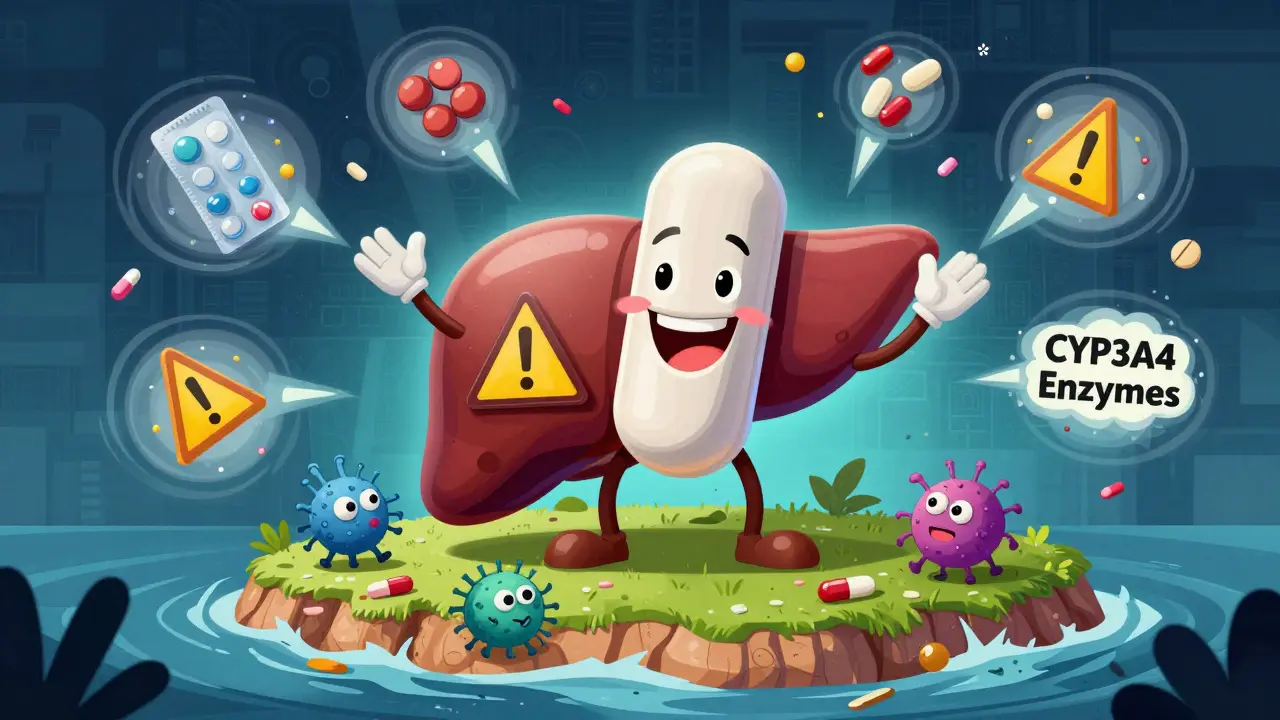
When treating tuberculosis, rifampin is one of the most powerful drugs doctors have. It cuts treatment time from 18 months to just six. But here’s the catch: rifampin doesn’t just kill TB bacteria-it also changes how your body handles almost every other medication you take. This isn’t just a minor warning on a label. It’s a clinical earthquake that can lead to treatment failure, overdose, or life-threatening complications if ignored.
How Rifampin Actually Works
Rifampin, also called rifampicin, is a natural antibiotic derived from a soil bacterium. It doesn’t just slow down Mycobacterium tuberculosis-it kills it. The drug slips into bacterial cells and locks onto the RNA polymerase enzyme, the machine that copies DNA into RNA. Without RNA, the bacteria can’t make proteins. They shut down and die.
It’s fast-acting. After a standard 600 mg dose, blood levels peak around 7 mcg/mL within two hours. But here’s something surprising: if you take it with food, absorption drops by 30%. That’s why doctors always tell patients to take rifampin on an empty stomach-usually one hour before breakfast.
It’s also one of the few TB drugs that works inside macrophages, the very immune cells that harbor the bacteria. That’s why it’s so effective in combination with pyrazinamide and isoniazid. Together, they kill both active and dormant TB, making six months of treatment possible instead of years.
The Hidden Problem: Rifampin Turns Your Liver Into a Drug Destroyer
What makes rifampin dangerous isn’t just what it does to TB-it’s what it does to you.
Rifampin activates a nuclear receptor called PXR. Think of PXR as a master switch in your liver. When it flips on, your body starts producing more of the enzymes that break down drugs. The biggest one is CYP3A4. This enzyme is responsible for metabolizing more than half of all prescription medications.
Within 24 hours of your first rifampin dose, CYP3A4 levels start rising. By day 5 to 7, enzyme activity spikes by 200% to 400%. That means drugs you’ve been taking for years suddenly get broken down too fast. Their levels crash.
Here’s what happens in real life:
- Oral contraceptives: Rifampin cuts their effectiveness by up to 67%. Women on birth control pills can get pregnant-even if they take them perfectly.
- Warfarin: Blood thinners lose 42% of their potency. Patients risk deadly clots if their INR isn’t monitored closely.
- HIV antivirals: Protease inhibitors like ritonavir and darunavir drop by 75% to 90%. This isn’t just a risk-it’s a treatment failure waiting to happen.
- Statins: Atorvastatin and simvastatin levels plummet. Cholesterol control collapses.
- Immunosuppressants: Cyclosporine and tacrolimus levels crash. Organ transplant patients can reject their grafts.
This isn’t theoretical. In 2021, a UK case report described a woman on rifampin for TB who became pregnant despite using oral contraceptives. She had no idea rifampin could do this. Her baby was born healthy-but only because the pregnancy was caught early.
The Paradox: Rifampin Makes TB Bacteria Tougher
Here’s the weirdest part: rifampin doesn’t just affect your body. It affects the bacteria too.
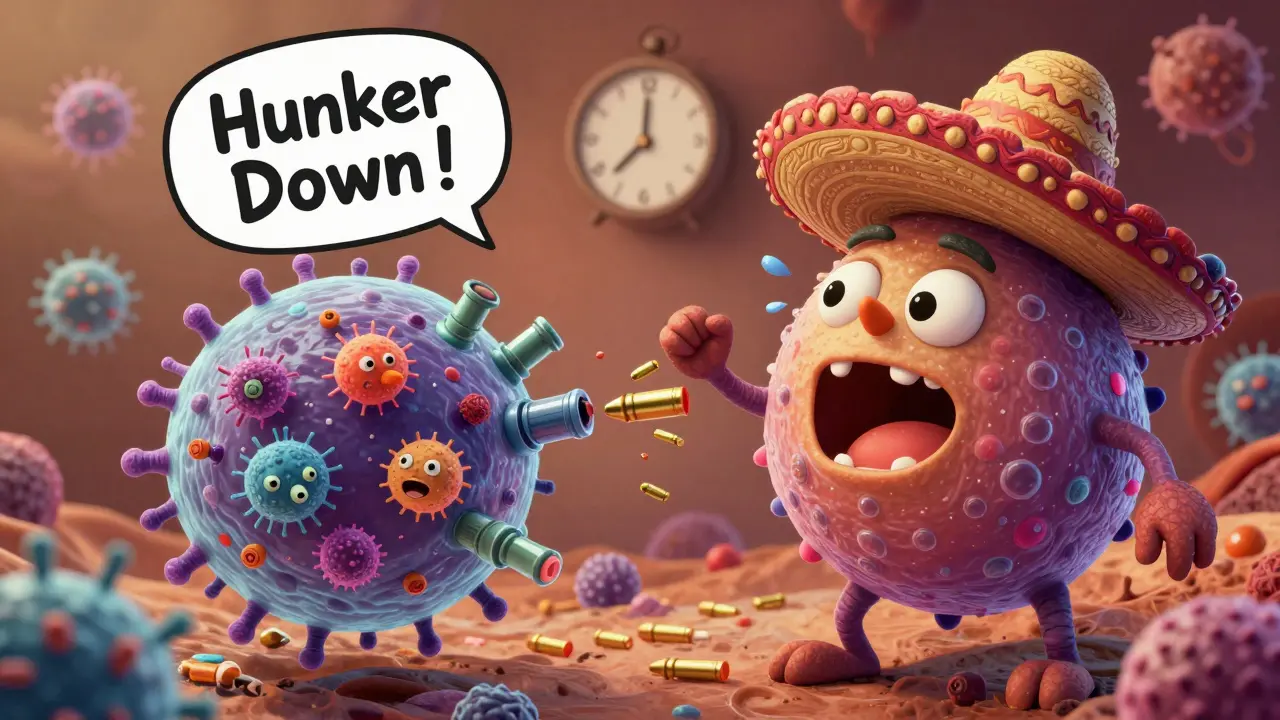
Research from 2018 showed that even at low doses, rifampin triggers a survival response in M. tuberculosis. The bacteria start producing more of a protein called RpoB, which helps them resist the drug. Within hours of exposure, a small group of bacteria becomes tolerant-not resistant, but tolerant. They don’t die when the drug hits them. They hunker down.
And that’s not all. A 2023 study found that when TB hides inside macrophages, it turns on efflux pumps-tiny molecular valves that spit rifampin out before it can kill. These pumps are activated within 48 hours of infection. So even if you’re taking the right dose, the bacteria are already fighting back.
This is why six months of treatment is the minimum. Shorter courses? Relapse rates jump to over 25%. You can’t rush it. The bacteria are too clever.
What About Liver Damage?
Rifampin is hard on the liver. About 10% to 20% of people on standard TB regimens develop elevated liver enzymes-ALT or AST more than three times the normal level. Some get jaundice. A few need hospitalization.
The damage isn’t just from the drug itself. It’s from how rifampin messes with your liver’s natural detox pathways. It increases oxidative stress, damages mitochondria, and alters how other drugs are processed. That’s why doctors always check liver function before starting TB treatment-and every month after.
But here’s a twist: rifampin can also help people with liver disease. In primary biliary cholangitis, it reduces severe itching by boosting bile acid breakdown. At lower doses, it’s used off-label for this. The same enzyme induction that causes problems elsewhere helps there.
Can We Fix This?
Scientists are trying. One promising idea: block those bacterial efflux pumps.
Researchers tested common drugs like verapamil (a heart medication) and omeprazole (a stomach acid reducer) on TB bacteria. Both stopped the pumps from kicking rifampin out. Omeprazole blocked 68% of the efflux. In lab mice, adding omeprazole to rifampin cut relapse rates from 25% to under 5%.
That’s huge. If this works in humans, TB treatment could drop from six months to three. But it’s not ready yet. Clinical trials are ongoing. Until then, you can’t just take omeprazole with your TB meds without supervision.
Another approach: higher doses of rifampin. Some trials are testing 900 mg daily instead of 600 mg. It raises drug levels by 74%. But guess what? It also boosts CYP3A4 induction by 35%. So you get more killing power-but even more interactions. It’s a trade-off.
What Should You Do?
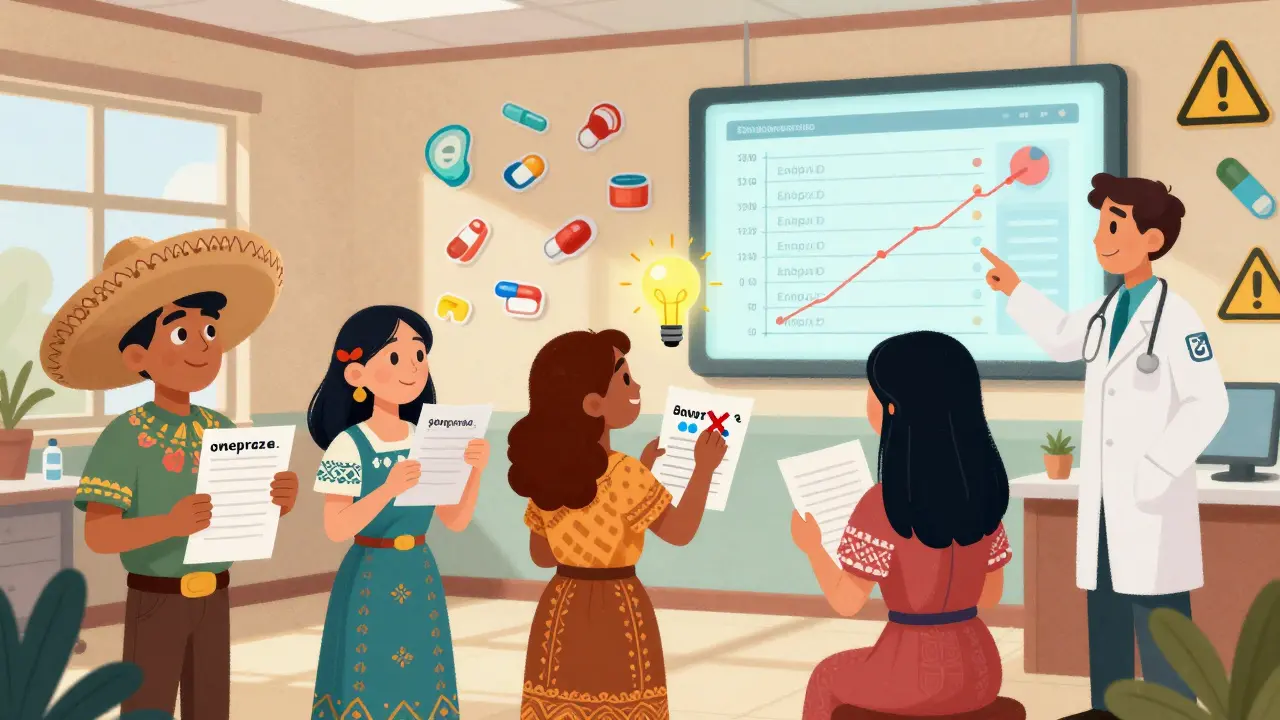
If you’re on rifampin, here’s what you need to know:
- Never stop or change your dose without talking to your TB specialist. Even a skipped dose can lead to resistance.
- Tell every doctor you see that you’re on rifampin-even your dentist. That includes over-the-counter meds and supplements. St. John’s wort? Avoid it. It also induces CYP3A4.
- Use backup birth control if you’re a woman of childbearing age. Condoms or an IUD are safer than pills.
- Get liver tests monthly. If your ALT goes above 3x normal, your doctor may pause rifampin.
- Wait at least two weeks after stopping rifampin before starting a new drug that’s metabolized by CYP3A4. For warfarin or transplant drugs, wait four weeks. The enzyme doesn’t disappear overnight.
And if you’re a healthcare provider? Always check drug interaction databases before prescribing. Don’t rely on memory. Use tools like Lexicomp or Micromedex. Rifampin’s interactions are too dangerous to guess.
Why This Matters Globally
Every year, 3.5 million people start rifampin-based TB treatment. Most live in low- and middle-income countries. They don’t always have access to frequent lab tests or alternative drugs. That’s why understanding rifampin’s interactions isn’t just academic-it’s lifesaving.
When a person with TB also has HIV or diabetes, the risk of bad interactions multiplies. In places with high HIV rates, the failure of antivirals due to rifampin has led to drug-resistant strains. That’s why WHO still recommends rifampin-but also pushes for better screening, education, and monitoring.
Rifampin is a miracle drug. But it’s also a minefield. The key isn’t avoiding it. It’s mastering it.
Can rifampin make birth control pills useless?
Yes. Rifampin reduces the effectiveness of oral contraceptives by up to 67% by speeding up their breakdown in the liver. Women taking rifampin for TB should use non-hormonal birth control like condoms, copper IUDs, or implants. Relying on the pill alone can lead to unintended pregnancy.
How long do rifampin interactions last after stopping the drug?
Rifampin’s enzyme-inducing effects can last up to two weeks after the last dose. For drugs with narrow therapeutic windows-like warfarin, cyclosporine, or some antivirals-doctors recommend waiting four weeks before starting them to ensure enzyme levels have returned to normal.
Can I take omeprazole with rifampin to help with TB treatment?
Omeprazole has shown promise in lab studies and animal models by blocking bacterial efflux pumps that make TB resistant to rifampin. But it is not yet approved for this use in humans. Taking it without medical supervision could interfere with your TB treatment or cause unexpected side effects. Always consult your doctor before adding any new medication.
Why is rifampin taken on an empty stomach?
Food reduces rifampin absorption by about 30%. To ensure the full dose reaches your bloodstream and kills TB bacteria effectively, it must be taken at least one hour before eating. This is especially important in the first two months of treatment when bacterial load is highest.
Is rifampin safe if I have liver disease?
Rifampin can worsen existing liver damage and is used cautiously in people with pre-existing liver disease. Liver enzymes are monitored monthly during treatment. If ALT or AST levels rise above three times the upper limit of normal, rifampin may be paused or replaced. However, in some cases, low-dose rifampin is used off-label to treat itching in cholestatic liver diseases like primary biliary cholangitis.
What happens if I miss a dose of rifampin?
Missing one dose is unlikely to cause immediate harm, but consistent missed doses increase the risk of drug-resistant TB. If you miss a dose, take it as soon as you remember-unless it’s close to your next scheduled dose. Never double up. Always inform your TB treatment team about missed doses so they can monitor for resistance.
Next Steps
If you’re currently on rifampin, make a list of every medication, supplement, and OTC product you take. Bring it to your next TB clinic visit. Ask: “Which of these could be affected by rifampin?”
If you’re a caregiver or family member, learn the signs of liver problems: yellow eyes, dark urine, nausea, extreme fatigue. Report them immediately.
If you’re a clinician, use a drug interaction checker before prescribing anything new. Don’t assume your patient told you everything. Ask again. And again.
Rifampin saves lives. But it demands respect. Understand its power-and its dangers-and you’ll use it right.


Written by Connor Back
View all posts by: Connor Back