
Blood Thinner Travel Reminder Tool
Choose Your Blood Thinner Type
Set Your Dose Schedule
If you're on blood thinners and planning a trip, you're not alone. Millions of people take these medications every day-some for atrial fibrillation, others after a clot, or due to mechanical heart valves. But flying overseas, hopping between time zones, or sitting for hours on a bus can throw your routine off track. And when you're on blood thinners, even small changes can carry real risks. The good news? With the right prep, you can travel safely. You don’t need to cancel your plans. You just need to know what to do.
Know Which Blood Thinner You're On
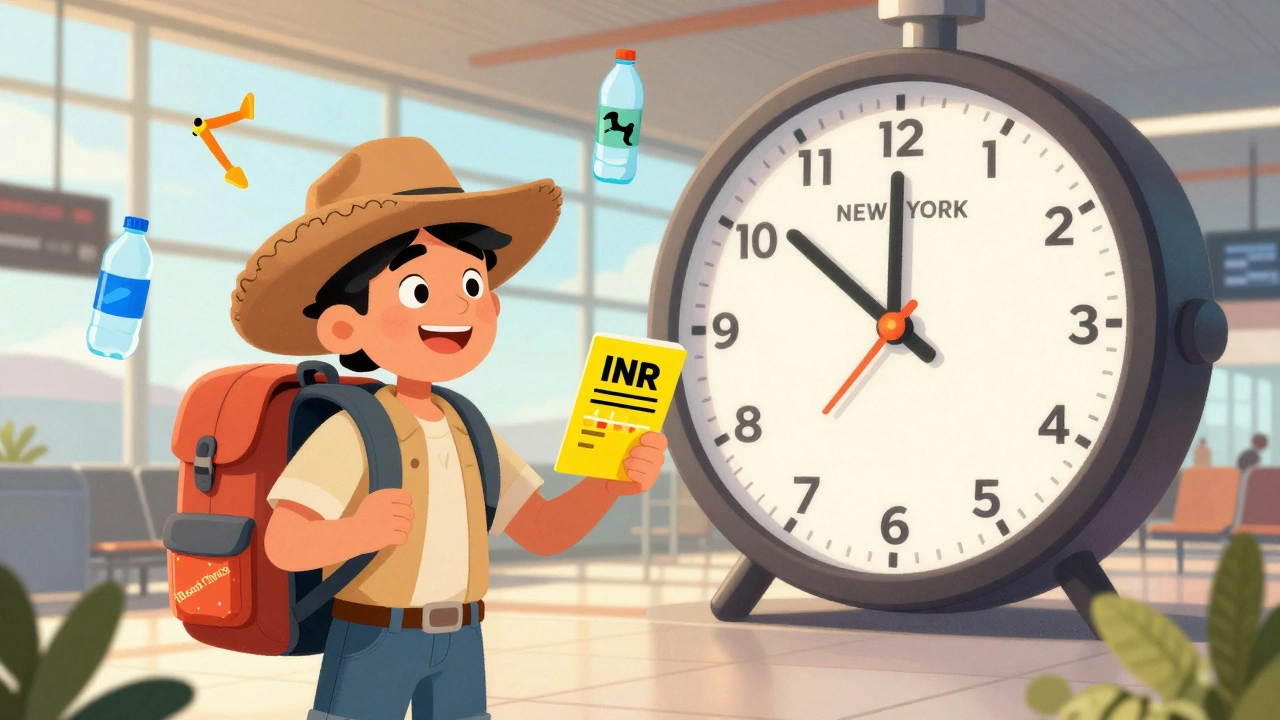
There are two main types of blood thinners: warfarin and DOACs. They work differently, and that changes how you travel.Warfarin has been around for decades. It’s cheap and effective, but it’s finicky. Your body’s response to warfarin depends heavily on what you eat-especially foods high in vitamin K like spinach, kale, broccoli, and soy products. A sudden change in diet abroad can throw your INR (a blood test that measures clotting time) out of range. If it’s too low, you risk a clot. Too high, and you could bleed internally. That’s why warfarin users carry a yellow booklet with their INR numbers and doses. You need to bring it with you-every time. Doctors overseas rely on it to understand your treatment.
DOACs (direct oral anticoagulants) are newer: dabigatran, apixaban, rivaroxaban, edoxaban. These don’t need regular blood tests. They work predictably, don’t interact much with food, and are easier to manage on the go. For most travelers, DOACs are the better choice today. The NIH’s 2018 review confirmed they’re just as safe and effective as warfarin for preventing clots during travel, with fewer headaches.
Don’t Skip Doses-Even When Time Zones Change
One of the biggest mistakes travelers make? Skipping or mixing up doses because of jet lag.DOACs last 12 to 24 hours in your system. Miss a dose, and your protection drops fast. If you’re flying from New York to Tokyo, your body doesn’t instantly adjust. Your internal clock is still on Eastern Time. So set alarms on your phone or smartwatch. Label them clearly: “Rivaroxaban 20mg” or “Apixaban 5mg.” Don’t rely on memory. When you land, stick to your usual schedule for the first day or two, then gradually shift to local time.
Warfarin users have it trickier. You still need to take it daily, but you also need to plan for INR checks. If you’re going to be gone for more than a week, talk to your doctor before you leave. Can you get your INR tested abroad? Some clinics in major cities can do it, but don’t assume. Bring extra warfarin tablets-different strengths, like 1mg, 2mg, 5mg-so you can adjust if needed. And never run out.
Hydration Is Non-Negotiable
Dehydration thickens your blood. That’s the last thing you want when you’re already at risk for clots.Airplane cabins are dry. Low humidity, recycled air, and alcohol or sugary drinks all pull water out of your body. Choose water. Always. Skip the free wine on the flight. Skip the soda. Even coffee in excess can dehydrate you. Drink at least one glass of water every hour during long flights. If you’re on a road trip, stop every two hours. Walk around. Stretch your legs. Drink water. Simple, but it matters.
And don’t forget: if you’re diving or hiking at high altitudes, your risk changes. Divers Alert Network warns that warfarin users can face serious bleeding risks during decompression-like ear or spinal bleeds-that wouldn’t happen otherwise. If you’re planning scuba diving or mountain trekking, talk to your doctor first. It’s not just about the medication-it’s about the activity.

Move Your Body, Even When You Don’t Want To
Sitting still for six hours or more? That’s a known trigger for deep vein thrombosis (DVT)-a clot in your leg that can break loose and travel to your lungs (pulmonary embolism, or PE). It’s rare, but it happens. And if you’ve had a clot before, your risk is even higher.Dr. Coogan from UT Physicians says: move every two to three hours on flights longer than six hours. That means walking up and down the aisle. If you’re in a window seat, do seated leg lifts. Point your toes up and down. Rotate your ankles. Squeeze your calves. These aren’t just tips-they’re medical recommendations backed by decades of research.
Even on a train or bus, get up and stretch. Don’t wait until your legs feel stiff. Proactive movement is your best defense.
What to Pack-Beyond Your Meds
You’ve got your pills. But what else?- Warfarin users: Your yellow INR booklet. Always. In your carry-on. Not checked luggage.
- Both types: A copy of your prescription-printed, with the generic and brand names. Some countries don’t recognize U.S. prescriptions. A letter from your doctor explaining your condition and medication can help at customs or if you need emergency care.
- DOAC users: Even though you don’t need monitoring, bring your pill bottle with the original label. It shows dosage and pharmacy info.
- For everyone: A small first aid kit with bandages and gauze. Blood thinners mean cuts can bleed longer. Don’t wait to treat a scrape.
And never, ever pack your meds in checked baggage. Lost luggage happens. Your medication doesn’t.
What to Do If Something Goes Wrong
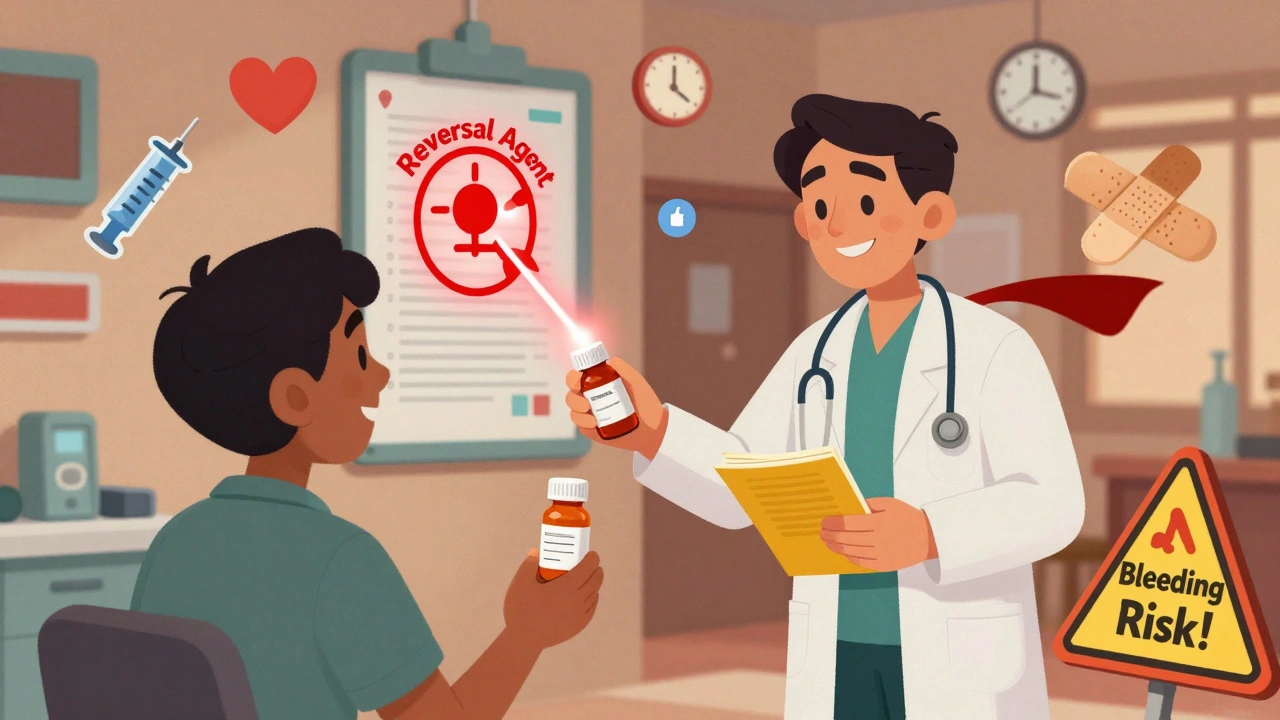
You’re on a train in Italy. You trip. You hit your head. You start bleeding and can’t stop. Or you wake up with sudden chest pain and shortness of breath. These aren’t normal.Call for help immediately. Emergency rooms worldwide are trained to handle blood thinners. Hospitals in Europe, Asia, and Latin America routinely treat patients on DOACs and warfarin. But you need to tell them what you’re on. Show your prescription. Show your booklet. Say: “I’m on a blood thinner.”
Reversal agents exist for both types. Idarucizumab reverses dabigatran. Andexanet alfa reverses apixaban and rivaroxaban. These drugs are available in most major hospitals. But they won’t help if no one knows you’re on a blood thinner.
And if you’ve had a clot in the last four weeks? Don’t travel yet. Healthline and multiple medical sources agree: wait at least 28 days. Your body is still healing. The risk is too high.
DOACs vs. Warfarin: Which Is Better for Travel?
| Feature | DOACs (Apixaban, Rivaroxaban, etc.) | Warfarin |
|---|---|---|
| Need blood tests? | No | Yes, monthly INR checks |
| Diet restrictions? | Minimal | Strict-avoid large changes in vitamin K |
| Drug interactions? | Fewer | Many-antibiotics, NSAIDs, supplements can interfere |
| Travel convenience? | High-no monitoring, simple dosing | Low-requires planning for tests and dose adjustments |
| Reversal available? | Yes (idarucizumab, andexanet alfa) | Yes (vitamin K, fresh frozen plasma) |
If you’re still on warfarin and planning a trip, ask your doctor if switching to a DOAC makes sense. Many patients can. It’s not just about convenience-it’s about safety. Fewer trips to the lab, fewer diet worries, fewer surprises.
Final Checklist Before You Go
- Confirm your medication supply lasts longer than your trip-add 10% extra.
- Set phone alarms for every dose, labeled clearly.
- Carry your prescription and medical letter in your carry-on.
- Warfarin users: bring your yellow INR booklet and extra tablets.
- Hydrate constantly-water only, no alcohol or soda on flights.
- Move every 2-3 hours on long trips.
- Know the nearest hospital or clinic at your destination.
- If you’ve had a clot in the last 4 weeks: postpone travel.
Traveling with blood thinners isn’t about fear. It’s about preparation. You’ve managed your condition this long. You can manage it on the road too. Just don’t skip the steps. Your next adventure is worth the effort.
Can I fly if I’m on blood thinners?
Yes, you can fly safely on blood thinners as long as you follow key precautions: stay hydrated, move regularly during the flight, take your medication on time, and carry all necessary documents. The risk of a clot during flight is low for most people on anticoagulants, but skipping doses or becoming dehydrated increases that risk significantly.
Do I need to get my INR checked while traveling abroad?
Only if you’re on warfarin. DOACs don’t require monitoring. If you’re on warfarin, plan ahead. Ask your doctor if you can get an INR test done at a clinic near your destination. Bring your yellow booklet so local providers can understand your dosing history. Never run out of warfarin-pack extra tablets in different strengths.
Can I drink alcohol while on blood thinners?
Moderate alcohol is usually okay, but it’s risky. Alcohol can thin your blood further and increase bleeding risk. It also dehydrates you, which raises your chance of clots. If you drink, limit it to one drink per day and never drink heavily. Avoid alcohol during flights entirely-it’s not worth the risk.
What if I miss a dose of my blood thinner?
If you miss a DOAC dose, take it as soon as you remember-if it’s within 6 hours of your usual time. If it’s more than 6 hours late, skip it and take your next dose at the regular time. Never double up. For warfarin, call your doctor immediately. Missing a dose can cause your INR to drop dangerously low. Don’t guess-get professional advice.
Are there countries where blood thinners aren’t allowed?
No country bans blood thinners outright, but some have strict rules on importing medications. Always check the destination country’s customs rules for your specific drug. Carry your prescription and a doctor’s letter. Avoid bringing more than a 90-day supply unless you have official permission. Some countries require a special permit for certain medications-even if they’re legal in the U.S.
Should I take aspirin with my blood thinner?
Only if your doctor specifically told you to. Aspirin is also a blood thinner. Taking it with your prescription medication increases your bleeding risk without adding proven benefit for most travelers. Never add aspirin on your own, even if you think it might help with pain or inflammation.


Written by Guy Boertje
View all posts by: Guy Boertje