
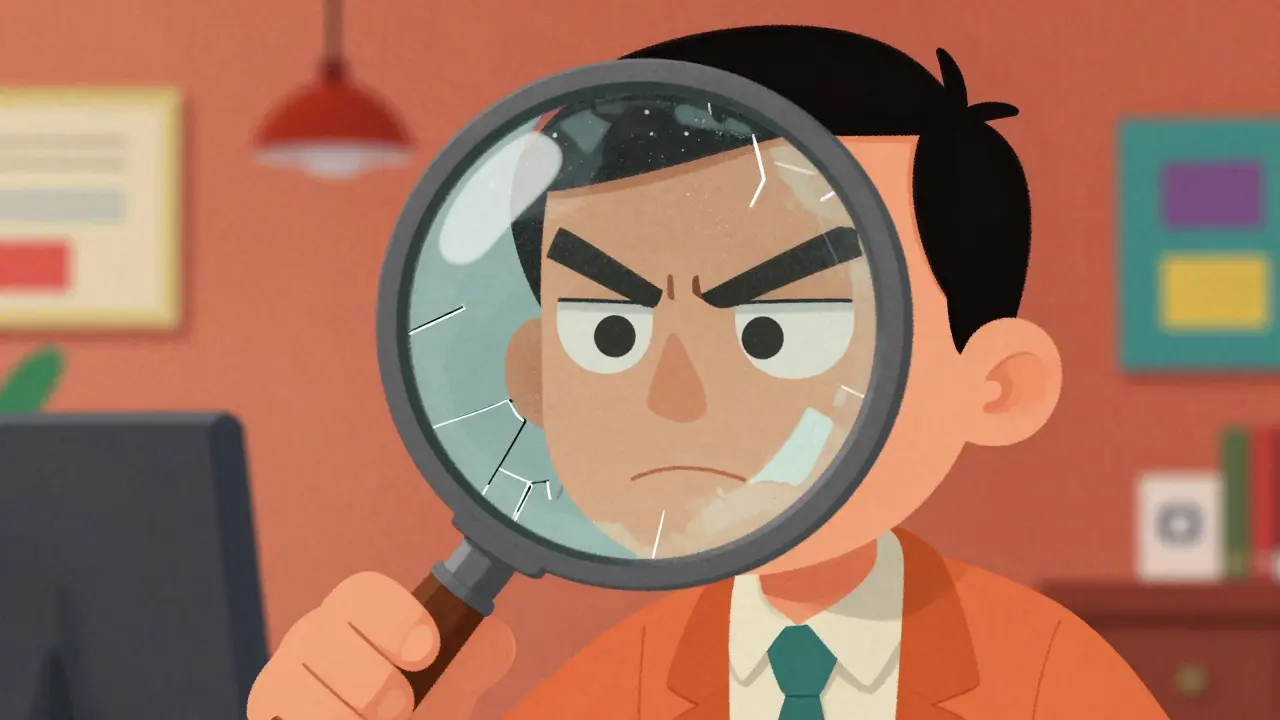
Imagine your mind is like a lens. When that lens gets smudged or cracked, the world looks distorted. You might see a neutral comment from a colleague as a hidden insult or a simple mistake at work as a sign that you're completely incompetent. This isn't just "being pessimistic"; it's a cognitive distortion. Cognitive-Behavioral Therapy is a structured, goal-oriented form of psychotherapy that combines cognitive therapy to shift thought patterns and behavioral therapy to change actions. Commonly known as CBT, it treats psychological disorders by teaching people how to identify and rewire these distorted patterns. If you're looking for a way to manage your mental health without spending years on a therapy couch, CBT is designed to get you measurable results in a relatively short window of time.
| Feature | CBT Approach |
|---|---|
| Primary Focus | Current problems and actionable solutions |
| Typical Duration | 5 to 20 weekly sessions (Short-term) |
| Core Goal | Changing negative thought-behavior loops |
| Evidence Level | Gold Standard (Grade A Evidence) |
The Core Mechanics: How Your Thoughts Drive Your Feelings
CBT isn't about "positive thinking" or just looking on the bright side. It's about accurate thinking. The therapy is built on the idea that your thoughts, feelings, and behaviors are all linked. If you change one, the others follow. This is often explained through the cognitive triad, where people struggling with depression often hold negative views of themselves, the world, and their future.
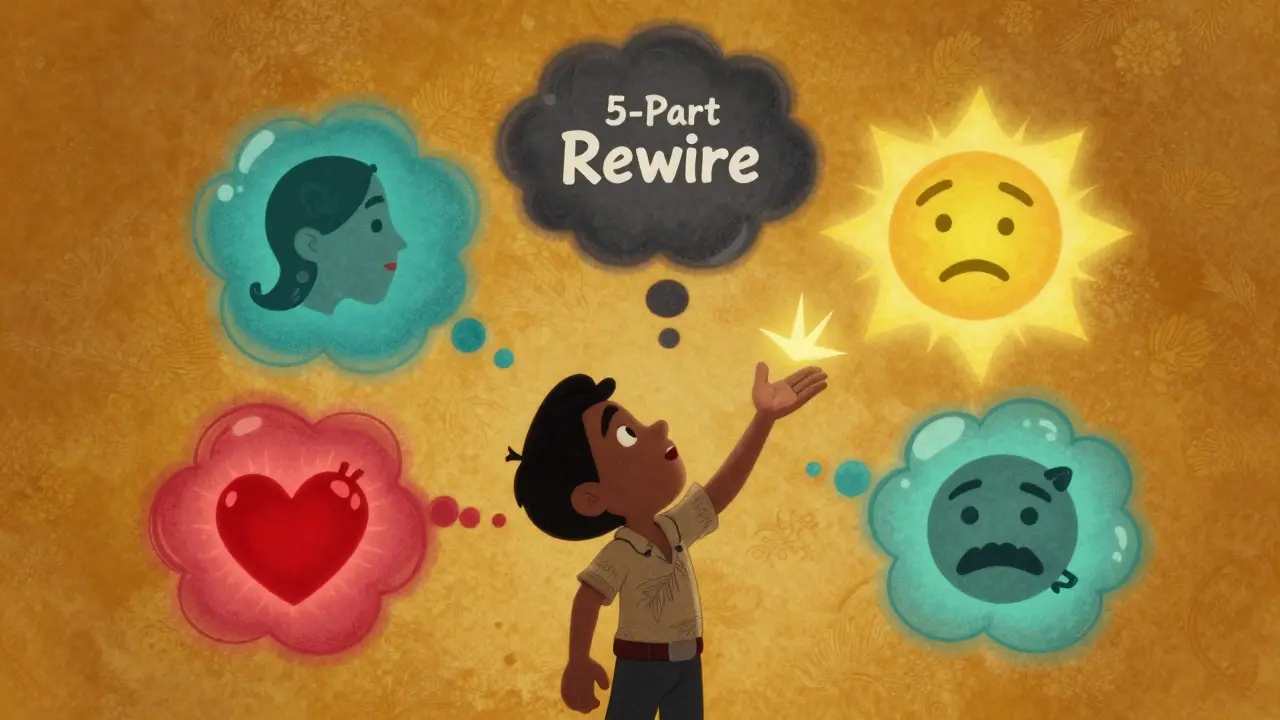
To break this cycle, therapists use a 5-Part Model. This framework tracks a Cognitive-Behavioral Therapy session by analyzing a specific situation through five lenses: the event itself, the thoughts that popped up, the emotions felt, the physical sensations in the body (like a racing heart), and the resulting behavior (like avoiding a social event). By mapping this out, you can see exactly where the "glitch" in your thinking occurs and consciously decide to challenge it.
Common Techniques You'll Use in CBT
Unlike some therapies that rely heavily on talking about your childhood, CBT is a skills-based approach. You aren't just a patient; you're a student learning a toolkit for your mind. Here are the most common tools you'll encounter:
- Cognitive Restructuring: This is the process of identifying cognitive distortions-like "all-or-nothing thinking" or "catastrophizing"-and replacing them with more balanced perspectives.
- Behavioral Activation: Often used for depression, this involves scheduling activities that provide a sense of pleasure or accomplishment to break the cycle of lethargy.
- Exposure Therapy: For those with phobias or social anxiety, this involves gradual, controlled exposure to the thing you fear until the brain learns it isn't actually dangerous.
- Thought Records: A daily diary where you write down a negative thought and then argue against it using evidence, almost like a lawyer in a courtroom.
A big part of this is the "homework." You might be asked to track your moods for a week or try a "behavioral experiment"-like intentionally making a small mistake in a conversation to see if the world actually ends. While 32% of patients find the homework challenging, it's where the real growth happens.
CBT vs. Other Treatments: What Does the Data Say?
When we call CBT the "gold standard," it's because of the numbers. With over 2,000 randomized controlled trials, the evidence is overwhelming. For anxiety disorders, CBT often produces significantly larger effect sizes than other talk therapies. In some studies, it has shown a 60-80% improvement rate for patients with generalized anxiety.
How does it stack up against medication? The STAR*D trial showed that for major depressive disorder, CBT had a 12-month remission rate of 52%, compared to 47% for antidepressants alone. More importantly, the relapse rate was much lower for CBT (24%) than for medication (52%). This is likely because CBT teaches you skills you keep for life, whereas medication only works as long as you take it.
| Modality | Primary Focus | Best For... | Trade-off |
|---|---|---|---|
| CBT | Cognitive/Behavioral Loops | Anxiety, Depression, OCD | Requires active effort/homework |
| Dialectical Behavior Therapy (DBT) | Emotion Regulation | Borderline Personality Disorder | More intensive, longer duration |
| Acceptance and Commitment Therapy (ACT) | Mindfulness & Values | Chronic Pain, Severe Stress | Less focus on "changing" thoughts |
Who Is CBT Best For (And Where Does It Fail)?
CBT is incredibly versatile, but it's not a magic bullet for everyone. It works best for adults aged 25-44, who show a response rate of around 72%. It's highly effective for specific conditions like PTSD, eating disorders, and substance use disorders, where it often leads to better abstinence rates than traditional 12-step programs alone.
However, there are limits. Because CBT requires a certain level of cognitive capacity and active participation, it's often not the first choice for people experiencing acute psychosis or severe cognitive impairment. Similarly, for complex trauma or certain personality disorders, "Third Wave" approaches like DBT or ACT might be more effective. For instance, DBT has shown 30% greater effectiveness specifically for borderline personality disorder because it focuses more on emotional regulation and interpersonal effectiveness.

The Future of Therapy: AI and Precision CBT
We're moving toward a world of "Precision CBT." Instead of a one-size-fits-all manual, researchers are looking at biomarkers to match specific therapeutic components to individual neural circuits. We're also seeing the rise of digital therapeutics. Tools like Woebot use natural language processing to help users manage their thought records in real-time.
While app-based therapy is convenient, it's not yet a perfect replacement. A 2024 meta-analysis found that digital CBT is about 22% less effective than in-person delivery. The human connection-the empathy and nuanced understanding of a trained therapist-still plays a massive role in recovery. That said, the blend of AI-assisted tracking and human guidance is likely where the industry is heading.
How long does CBT typically take to work?
Most people see a measurable reduction in symptoms within 12 to 16 sessions. Depending on the condition, protocols usually range from 5 to 20 weekly meetings, with each session lasting between 45 and 60 minutes. Because it is a short-term, goal-oriented therapy, the focus is on rapid symptom relief and skill acquisition.
Is CBT better than medication?
It depends on the person and the condition. For many, a combination of both is most effective. However, data suggests that CBT often has lower relapse rates than medication alone, especially for depression, because it teaches permanent coping strategies rather than just managing chemical imbalances.
What are "cognitive distortions"?
Cognitive distortions are biased ways of thinking that aren't based on reality. Examples include "Catastrophizing" (assuming the worst possible outcome) or "Black-and-White Thinking" (seeing things as either perfect or a total failure). CBT helps you identify these and replace them with more realistic thoughts.
Do I have to do homework for CBT to work?
While not every single person does homework, it is a core part of the process. Practicing thought records and behavioral experiments in the real world is what "rewires" the brain. Without this active application, the therapy is much less effective.
Can CBT help with OCD?
Yes. A specific variant of CBT called Exposure and Response Prevention (ERP) is the gold standard for OCD. It involves exposing the person to the trigger of their obsession and preventing the compulsive behavior, eventually breaking the anxiety loop.
Next Steps for Getting Started
If you're feeling overwhelmed, the first step is usually a consultation with a licensed therapist. Look for someone certified by the Beck Institute or an accredited body to ensure they follow evidence-based protocols. If you're not ready for 1-on-1 therapy, starting with a reputable CBT workbook or an FDA-cleared digital tool can help you identify your patterns.
Be prepared for some initial discomfort. Exposure exercises and challenging your own beliefs can be emotionally draining. However, this "growing pain" is exactly what leads to long-term recovery. If you find that standard CBT isn't working after 8-12 weeks, talk to your provider about "Third Wave" alternatives like ACT or DBT, which may be better suited for your specific needs.
Written by Connor Back
View all posts by: Connor Back