

Excipient Safety Checker
Check Your Medication Safety
This tool helps identify potential excipient-related side effects based on your allergies and medication type. Note: Always consult your pharmacist before making changes to your medication.
Over 90% of prescriptions in the US are generic medications. They save patients and healthcare systems billions each year. But for some people, switching to a generic can trigger unexpected side effects. Why? It's not the active ingredient-it's the hidden ingredients called excipients.
What Are Excipients and Why Do They Matter?
When you take a pill, the active ingredient does the healing work. But that pill also contains other stuff-fillers, binders, colorings, and flavorings. These are called excipients. They don't treat your condition, but they help the pill stay together, dissolve properly, and taste okay. Think of them as the glue and color in your medicine. The problem? For some people, these ingredients can cause side effects. The FDA allows generic medications to use different excipients than brand-name drugs. That's why a generic version might cause issues even if the active ingredient is the same.
Generic medications must contain the same active ingredient as the brand-name version. But they can have different excipients. This is because the FDA requires bioequivalence-meaning the active ingredient must be delivered to the bloodstream at the same rate and amount as the brand. However, the agency doesn't regulate excipients beyond ensuring they're safe. That means a generic version of a drug might use a different type of filler or dye than the brand.
When Excipient Differences Cause Problems
Most of the time, excipient differences don't matter. But for certain medications and patients, they can. The biggest risk comes with drugs that have a narrow therapeutic index (NTI). These are medications where small changes in blood levels can cause serious problems. Examples include blood thinners like warfarin, thyroid meds like levothyroxine, and anti-seizure drugs. For these drugs, even tiny differences in how the body absorbs the medicine can lead to treatment failure or dangerous side effects.
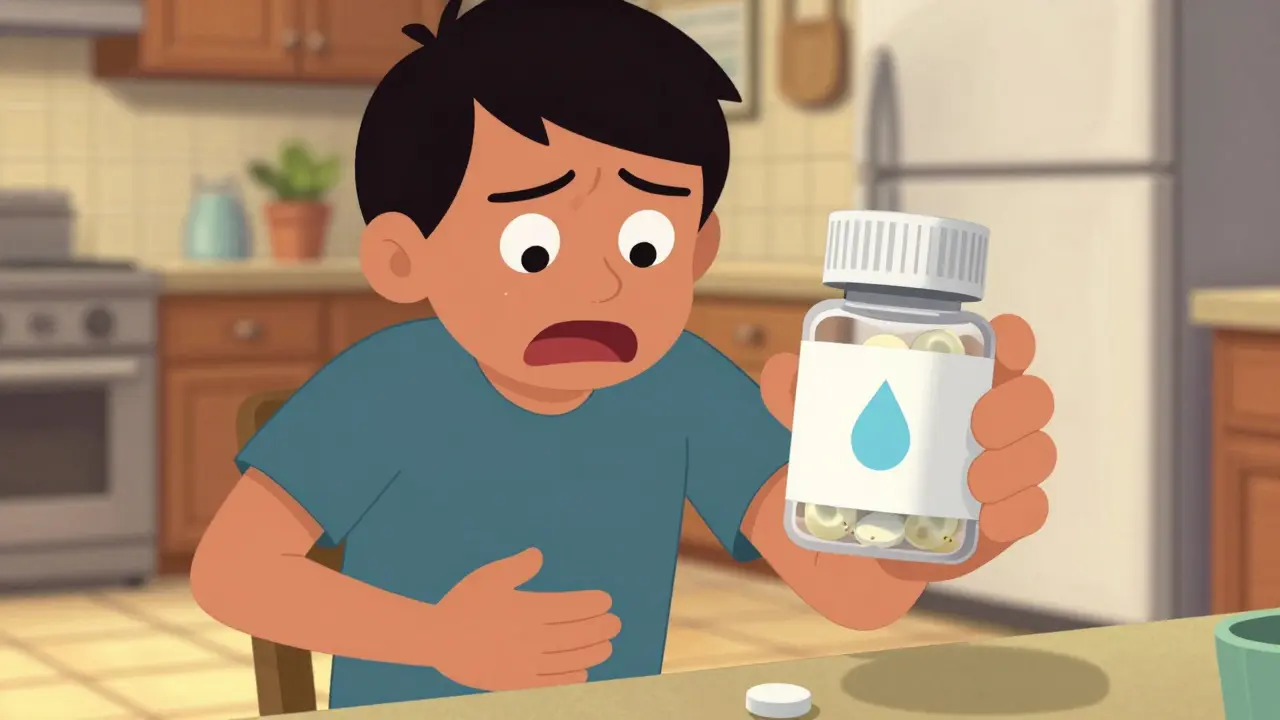
Another risk is allergies. Some people react to specific excipients. For instance, croscarmellose sodium is a common disintegrant used in pills. A 2013 study documented a patient who had a severe allergic reaction to this ingredient in a generic version of furosemide (a diuretic), even though they'd taken the brand-name version without issues. Similarly, lactose is used in many pills as a filler. People with lactose intolerance can experience stomach pain, bloating, or diarrhea from generics containing lactose, even if the brand version didn't have it.
Real-World Cases and Statistics
Studies show most generics work just as well as brand-name drugs. A 2022 JAMA Internal Medicine study found 92% of generic drugs performed equally across 47 medication classes. But 8% showed differences, often due to excipients. For example:
- 18% of Parkinson's patients reported worse symptoms after switching to generic levodopa. Many blamed differences in the tablet's binder affecting absorption.
- A lactose-intolerant patient developed severe gastrointestinal issues after switching to a generic thyroid medication containing lactose. The brand version used a different filler.
- GoodRx's survey found 12% of users experienced side effects with generics they didn't have with brands, and 5% reported reduced effectiveness-likely linked to excipient differences.
The FDA's 2023 report confirms that excipient-related issues are rare overall but can be serious for sensitive individuals. Approximately 40% of adverse events from generic substitutions stem from excipient differences, not the active ingredient. This is why it's crucial to know what's in your medication.
| Excipient | Common Use | Potential Issues |
|---|---|---|
| Lactose | Filler in tablets and capsules | Gastrointestinal distress for lactose-intolerant patients |
| Croscarmellose sodium | Disintegrant to help pills break down | Allergic reactions in sensitive individuals |
| FD&C dyes (e.g., Red No. 40) | Coloring agents | Allergic reactions, hyperactivity in children |
| Stearic acid | Lubricant in pill manufacturing | May cause issues for those with severe soy allergies (if derived from soy) |
What You Can Do to Stay Safe
Here's how to protect yourself:
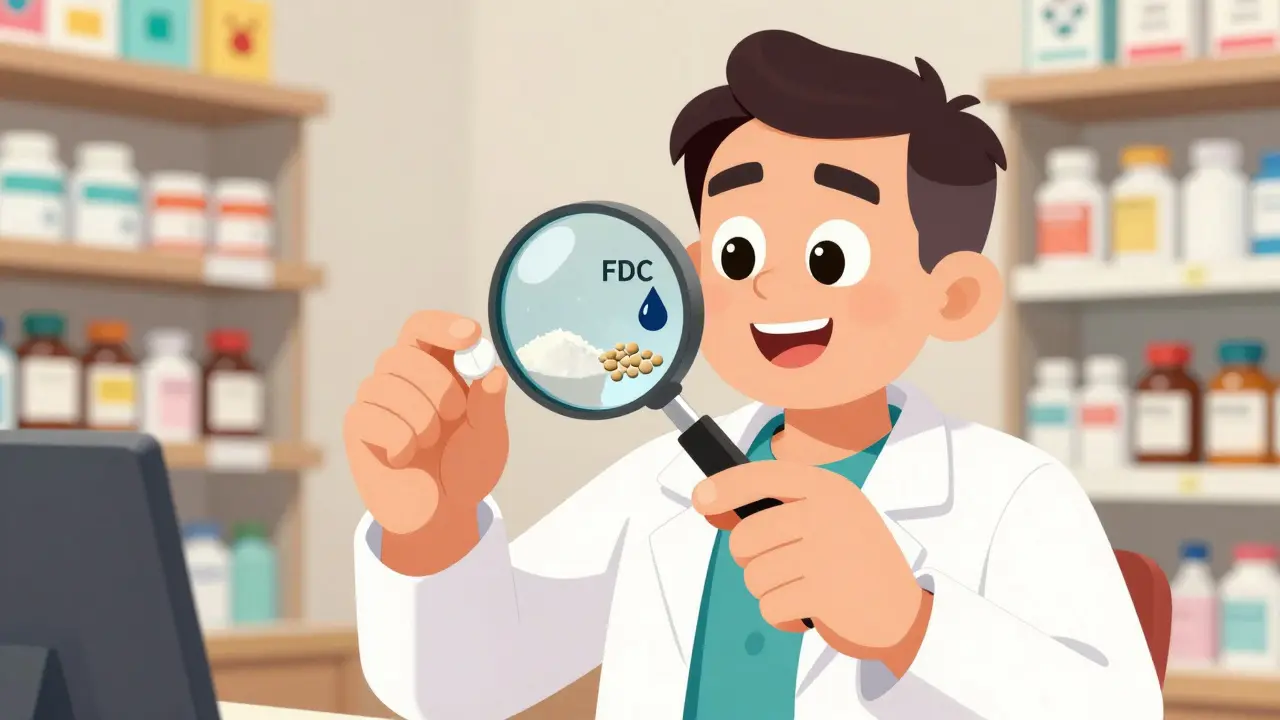
- Check with your pharmacist. Ask about the excipients in your medication. Pharmacists have access to detailed ingredient lists and can tell you if a generic contains something you're sensitive to.
- Look for "dispense as written" on your prescription. If you've had issues before, ask your doctor to write "do not substitute" or "dispense as written" on your prescription. This ensures you get the exact brand or generic you need.
- Keep a medication diary. Track when you switch medications and any side effects. Note the manufacturer name (often on the pill bottle). This helps identify patterns.
- Check the package insert. The FDA requires this for all medications. It lists all ingredients, including excipients. You can find it online or ask your pharmacist for a copy.
- Ask about generic alternatives. Some manufacturers make generics with different excipients. If one generic causes issues, another might not.
For high-risk medications like warfarin or levothyroxine, consistency is key. If you switch to a generic, stick with the same manufacturer. Changing manufacturers can mean changing excipients, even if it's still labeled as generic.
Frequently Asked Questions
Can generic medications have different side effects than brand-name drugs?
Yes, but only because of differences in inactive ingredients (excipients). The active ingredient is the same, so for most people, there's no difference. However, some people react to excipients like lactose, dyes, or certain fillers. For example, a patient with lactose intolerance experienced stomach issues after switching to a generic antiarrhythmic that used lactose as a filler. The brand-name version didn't have lactose. Always check the excipient list with your pharmacist.
How do I know if I'm sensitive to excipients?
Track your reactions carefully. If you notice new side effects after switching to a generic, note the medication's manufacturer and ingredients. Keep a diary of symptoms and when you take each dose. If you suspect an excipient issue, ask your pharmacist to check the ingredient list. They can help identify if a specific excipient (like lactose or a dye) might be the cause. Some pharmacies also offer generic versions with alternative excipients.
What medications are most likely to have excipient-related issues?
Medications with a narrow therapeutic index (NTI) are most sensitive. These include blood thinners like warfarin, thyroid medications like levothyroxine, and anti-seizure drugs like phenytoin. Also, drugs for Parkinson's disease (e.g., levodopa) often have excipient-related issues. If you take any of these, talk to your doctor and pharmacist before switching to a generic. They can help ensure you get a consistent formulation.
Should I always choose brand-name drugs if I have allergies?
Not necessarily. Brand-name drugs can also contain excipients that cause issues. The key is to know which excipients you're sensitive to and find a version (brand or generic) without them. For example, some generic manufacturers use alternative fillers for lactose-intolerant patients. Always discuss your specific allergies with your pharmacist-they can often find a suitable option that's still affordable.
How can I check what excipients are in my medication?
The easiest way is to ask your pharmacist. They can look up the ingredient list in the FDA's database or check the package insert. You can also find this information online: search for the drug's name plus "package insert" or "prescribing information." The FDA's website has a database called Drugs@FDA where you can find detailed ingredient lists for both brand and generic versions.
What should I do if I suspect a side effect from excipients?
Stop taking the medication immediately and contact your doctor. If it's a severe reaction like difficulty breathing or swelling, seek emergency care. For milder issues, note the exact medication name and manufacturer (check the pill bottle), then discuss it with your pharmacist. They can help identify the culprit excipient and find an alternative. Report the issue to the FDA's MedWatch program to help track these problems.


Written by Guy Boertje
View all posts by: Guy Boertje