

Adolescent Medication Risk Monitor
Risk Assessment Tool
Enter details about the teen's symptoms, medication, and monitoring frequency to assess suicide risk level. Based on CDC, FDA, and AACAP guidelines.
Risk Assessment
When a teenager starts psychiatric medication, the goal is relief - less anxiety, better sleep, fewer panic attacks, or a return to school and friends. But for some, the very drugs meant to help can trigger something dangerous: new or worsening suicidal thoughts. This isn’t rare. It’s expected enough that the FDA requires a black box warning on all antidepressants for patients under 25. That warning isn’t just a footnote. It’s a red flag that demands action.
Why Teens Are Different
Adolescents aren’t small adults. Their brains are still wiring themselves. The prefrontal cortex - the part that controls impulses, weighs consequences, and regulates emotions - isn’t fully developed until the mid-20s. When a medication alters serotonin, dopamine, or norepinephrine levels, it doesn’t just affect mood. It can shake the fragile balance of a developing nervous system. A 2020 study in the Journal of the American Academy of Child and Adolescent Psychiatry found that only 57% of outpatient child psychiatry practices had standardized protocols for tracking suicidal ideation linked to medication. That means nearly half of teens starting antidepressants, antipsychotics, or even ADHD meds were being monitored with no clear plan. That’s not negligence - it’s a system gap.When Risk Goes Up
Suicidal ideation doesn’t show up randomly. It clusters in specific windows:- First 1-4 weeks after starting a new medication - especially SSRIs like fluoxetine or sertraline.
- During dose increases - even small adjustments can destabilize mood regulation.
- When stopping medication - withdrawal can mimic or worsen depression, especially if tapered too fast.
What Monitoring Actually Looks Like
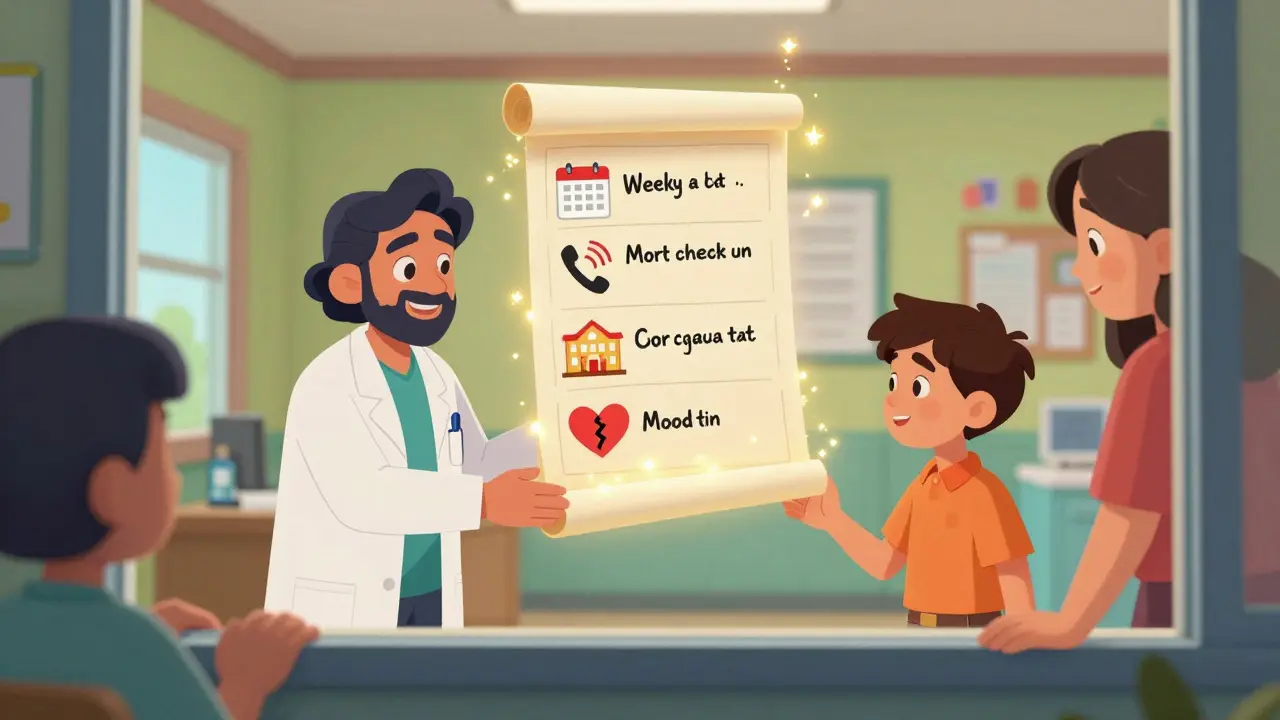
Monitoring isn’t just asking, “Are you having thoughts of hurting yourself?” That question, asked once a month, is like checking a smoke detector once a year. Effective monitoring is frequent, specific, and built into every visit. Here’s what real monitoring includes:- Weekly check-ins for the first 4 weeks - even if the teen seems fine. Phone calls, video visits, or in-person sessions. No exceptions.
- Asking the right questions: “Has anything felt different since you started this pill?” “Do you feel more hopeless than before?” “Do you think the medicine is helping, or making things worse?”
- Tracking behavior changes: sudden isolation, giving away belongings, writing dark messages, skipping school. These are louder than words.
- Getting input from multiple sources: parents, teachers, school counselors. A teen might say they’re fine at home but cry alone in the bathroom at school. If the school and clinic don’t talk, the warning signs vanish.
- Documenting everything: not just “patient denies SI,” but “patient stated, ‘I don’t see a point in trying anymore’ during session on 1/3/26.” Specificity saves lives.
It’s Not Just Antidepressants
The FDA warning only covers antidepressants. But clinicians know better. Antipsychotics like risperidone or aripiprazole, used for aggression or bipolar disorder, can cause akathisia - a terrifying inner restlessness that drives some teens to self-harm. Stimulants for ADHD can trigger anxiety so severe it mimics suicidal ideation. The MedPsych Health 2023 guide by Dr. Mohab Hanna says it plainly: “Monitoring for suicidal ideation must be universal across all psychiatric medications, not limited to antidepressants.” That’s the truth most clinics still ignore. A teen on risperidone for irritability? They need the same level of vigilance as one on fluoxetine.What Happens When You Stop
Stopping medication is just as risky as starting it. Many teens feel “better” after 6 months and ask to quit. But the brain hasn’t fully adapted. Abruptly stopping can cause rebound depression, insomnia, or emotional numbness - all triggers for suicidal thoughts. The Oklahoma Pediatric Psychotropic Medication Guidelines (2022) say: “During discontinuation, patients may need to be seen more frequently than during maintenance.” That means weekly visits, not monthly. Some high-risk teens need twice-weekly check-ins while tapering. This isn’t overkill - it’s survival. And the documentation? It’s not optional. California requires clinicians to write: “Efforts have been made to discontinue the medication, or the rationale for continuing.” If you don’t write it, it didn’t happen.The System Is Broken - But You Can Fix It
Most parents aren’t told about the black box warning. Most schools don’t have protocols for alerting prescribers when a teen has a crisis during school hours. A 2022 survey found 68% of school-based mental health staff reported inconsistent communication with outpatient providers. Here’s what you can do:- Ask for a written monitoring plan before your teen starts any medication. It should list: frequency of visits, who to call in crisis, signs to watch for, and what happens if side effects appear.
- Track mood changes daily - even just a simple 1-10 scale for sadness, hopelessness, or agitation. Bring it to every appointment.
- Request a school-clinic communication plan. Ask the provider to send a letter to the school counselor with permission to share updates.
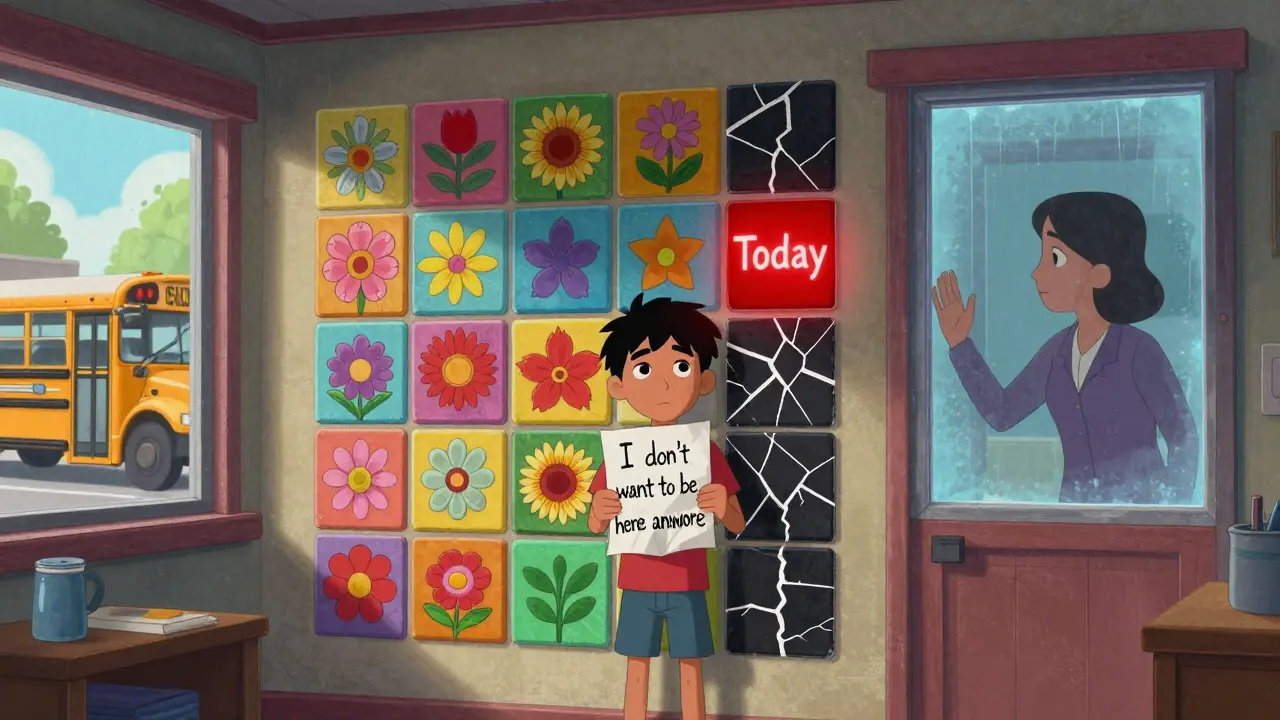
- Don’t wait for a crisis. If your teen says, “I wish I wasn’t here,” even once - call the prescriber immediately. Don’t wait for the next appointment.
What’s Changing
Good news: things are improving. The AACAP is finalizing new guidelines expected in late 2023 that will require suicidal ideation monitoring for all psychiatric meds - not just antidepressants. The National Institute of Mental Health is funding $28.7 million in research to find biological markers that predict who’s at highest risk. But waiting for policy changes isn’t safety. It’s luck.Final Thought
Psychiatric medication can be life-changing for teens. But it’s not a quick fix. It’s a tool - powerful, unpredictable, and dangerous if handled without care. The goal isn’t just to reduce symptoms. It’s to keep them alive long enough for the treatment to work. If you’re a parent, a teacher, or a clinician - don’t assume someone else is watching. Be the one who asks the hard questions. Be the one who writes it down. Be the one who shows up every week.Do all psychiatric medications carry a risk of suicidal ideation in teens?
Yes. While the FDA black box warning only applies to antidepressants, clinical experience and newer guidelines show that antipsychotics, stimulants, and mood stabilizers can also trigger suicidal thoughts in adolescents - especially during dose changes or withdrawal. Monitoring must be universal, not limited to one drug class.
How often should a teen be monitored when starting a new psychiatric medication?
Weekly for the first 4 weeks, then every 2 weeks for the next 2 months. If the teen has a history of suicide risk, or if side effects appear, visits should be even more frequent - possibly twice a week. Waiting until the next scheduled appointment can be deadly.
What should parents look for at home?
Watch for sudden withdrawal, giving away prized possessions, writing about death, increased irritability, sleep changes, or saying things like “I don’t want to be here anymore.” These aren’t normal teenage mood swings - they’re warning signs. Document them and call the prescriber immediately.
Can school staff help with monitoring?
Absolutely. School counselors, nurses, and teachers often notice changes before parents do. But they need permission and a clear communication plan from the prescriber. Ask your provider to send a signed release so the school can alert you or the clinic if your teen shows signs of distress.
Is it safe to stop psychiatric meds if suicidal thoughts appear?
Never stop abruptly. Stopping suddenly can worsen symptoms and increase suicide risk. Contact the prescriber immediately. They may adjust the dose, switch medications, or add therapy. A slow, supervised taper is always safer than stopping on your own.
Are there tools to help track suicidal ideation?
Yes. Some clinics use digital tools like the Columbia-Suicide Severity Rating Scale (C-SSRS), which is validated for teens. Others use simple daily mood logs. The key isn’t the tool - it’s consistency. Track changes, even small ones. Write them down. Bring them to every visit.
What if my teen says the medication is helping but still has suicidal thoughts?
That’s a red flag. Improvement in one area (like sleep or energy) doesn’t mean the risk is gone. Suicidal thoughts can persist even when other symptoms improve. This requires immediate evaluation - not a wait-and-see approach. The goal isn’t just feeling better. It’s being safe.
Next Steps
If your teen is on psychiatric medication:- Ask for a written monitoring plan - don’t accept verbal promises.
- Set up weekly check-ins for the first month.
- Install a daily mood tracker (paper or app) and review it together.
- Connect with the school counselor and ask for a communication protocol.
- Know the emergency number for your prescriber’s office - and save it in your phone.
- Document suicidal ideation monitoring in every note - even if the answer is “none.”
- Use the C-SSRS or a similar validated tool at every visit.
- Require informed consent that includes suicide risk - don’t assume parents understand.
- Push for training. If your clinic doesn’t offer 8+ hours of suicide risk training, demand it.


Written by Guy Boertje
View all posts by: Guy Boertje