
Bell's palsy: Causes, treatments, and what really helps
When your face suddenly droops on one side—eyelid won’t close, smile feels lopsided, taste changes—it’s often Bell’s palsy, a sudden, temporary weakness or paralysis of the facial nerve that controls muscle movement on one side of the face. Also known as idiopathic facial paralysis, it’s not a stroke, not a tumor, and not usually permanent. About 40,000 Americans get it each year, often after a cold or flu, and it hits people between 15 and 60 most often. The exact cause isn’t always clear, but many doctors think it’s linked to a reactivated virus, like herpes simplex, that swells the facial nerve as it passes through a narrow bone tunnel in the skull.
This swelling is what crushes the nerve, like stepping on a garden hose. That’s why corticosteroids, anti-inflammatory drugs like prednisone that reduce nerve swelling are the first-line treatment. Studies show starting them within 72 hours of symptoms improves recovery chances by up to 30%. Some doctors also add antiviral drugs, medications like acyclovir or valacyclovir that target viruses thought to trigger the nerve inflammation, especially if there’s clear evidence of a recent viral infection. But the evidence here is mixed—some trials show benefit, others don’t. What’s clear? Waiting doesn’t help. The sooner you get checked, the better your odds.
Recovery usually starts within 3 weeks, and most people regain full function in 3 to 6 months. But not everyone does. A small number end up with lasting issues—dry eyes, facial tightness, or involuntary movements. That’s why eye care matters so much. If your eyelid won’t close, your cornea can get damaged. Lubricating drops, tape at night, and even eye patches are simple but life-changing tools. Physical therapy for the face, like gentle massage and exercises, can help retrain muscles, too. And while it’s rare, Bell’s palsy can come back—especially if you have diabetes, are pregnant, or had it before.
You’ll find real stories here—from people who recovered quickly to those who fought through lingering symptoms. You’ll see what treatments worked, what didn’t, and how people managed daily life while their face healed. No fluff. Just what helps, what to watch for, and how to protect yourself while your body repairs the nerve.
Bell’s Palsy Treatment: How Corticosteroids Help Restore Facial Movement
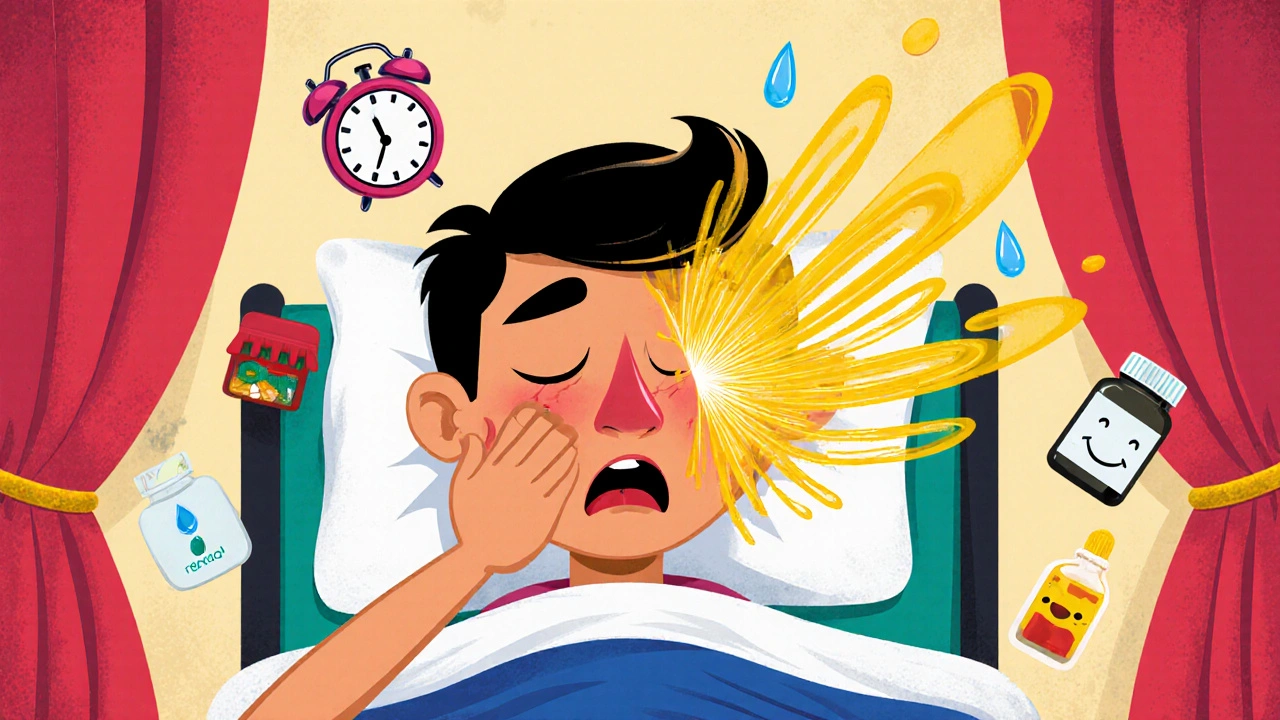
Bell's palsy causes sudden facial paralysis, but prompt treatment with corticosteroids like prednisone can dramatically improve recovery. Learn how, when, and why steroids work-and what to avoid.
- Nov 21, 2025
- Guy Boertje
- 13